
Laser Treatments Explained: Which One Fixes Pigmentation, Redness, or Texture?
"Laser" is one word doing the work of about a dozen. The device that fades a sun spot has almost nothing in common with the one that calms rosacea redness, and neither of them will do much for an acne scar. That is why laser treatments for skin confuse people. The name is the same, the physics is not.
This guide sorts lasers by the problem they solve: pigmentation, redness, or texture. The goal is that you walk into a consultation knowing what to ask for. It is written for New York skin, which spends half the year under office lighting and the other half on a rooftop, and it ends with how we approach laser skin treatment at Skin Lab Clinic in Midtown East.
How a skin laser actually works
Every skin laser does one thing: it delivers light at a single wavelength, and that wavelength is absorbed by a specific target in the skin. Dermatologists call the target a chromophore. There are only three that matter for the face.
- Melanin. The brown pigment behind sun spots, freckles and post-acne marks.
- Hemoglobin. The red in blood, which is what a broken capillary or a flushed cheek is made of.
- Water. Present in every cell, which is how resurfacing lasers reshape texture.
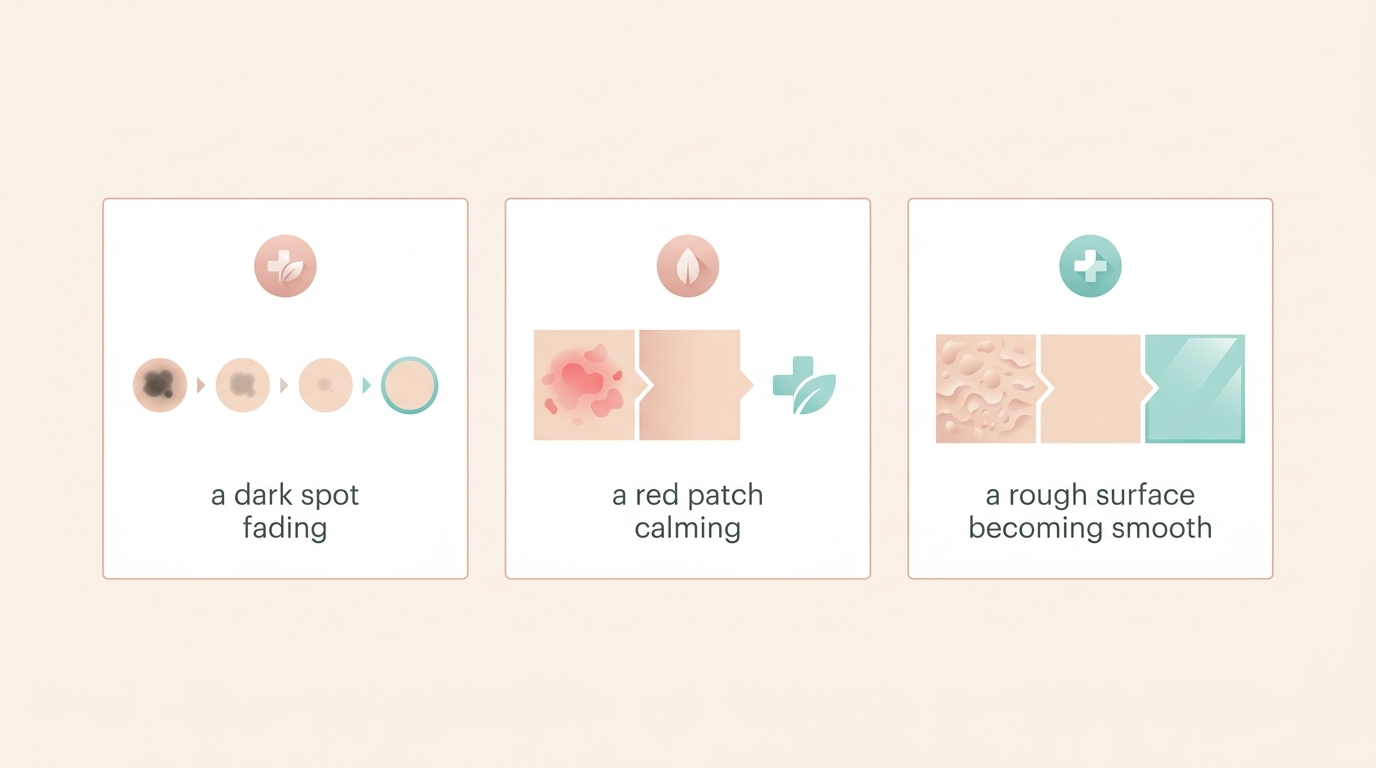
Pick the wavelength that melanin absorbs and the light heats the pigment while leaving surrounding tissue mostly alone. Pick the one hemoglobin absorbs and the vessel collapses. Pick a wavelength water absorbs and you are deliberately creating controlled micro-injury so the skin rebuilds smoother. Same word, three different jobs.
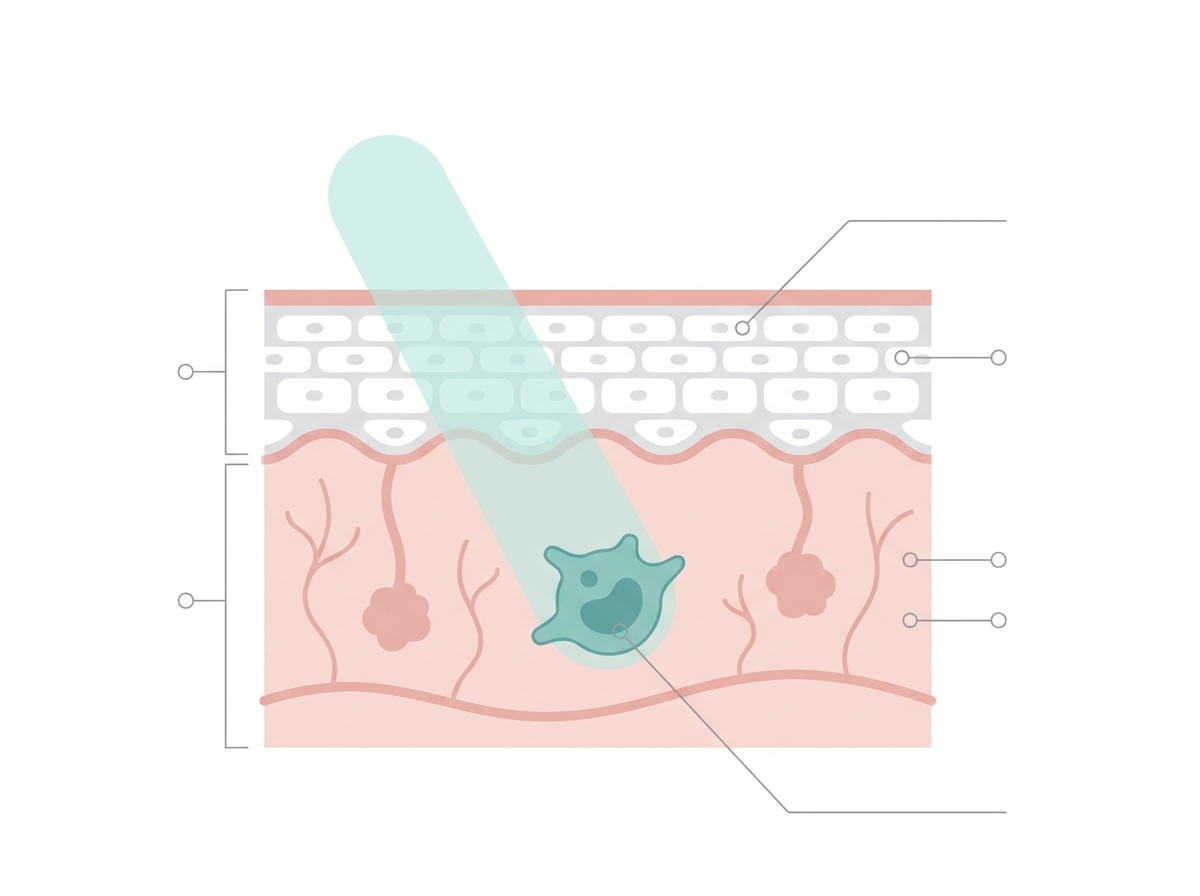
The second thing that matters is depth. Pigment sits shallow, in the epidermis. Vessels sit a little lower. Scars and pores are a dermal problem. A laser tuned for surface pigment will not reach a scar, no matter how many sessions you book. This is the single most common mismatch we correct at consultations.
Lasers for pigmentation and sun spots
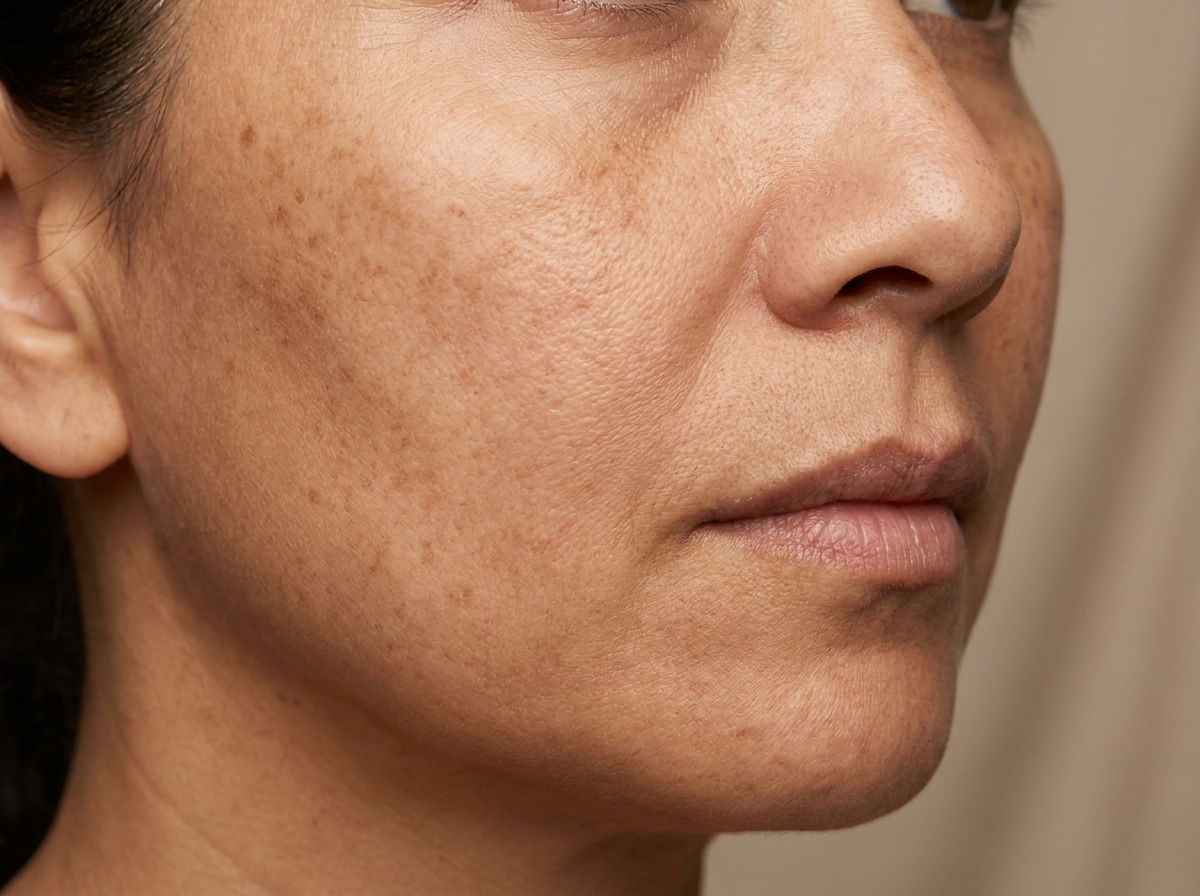
Sun spots, freckles, the brown marks acne leaves behind, and uneven tone across the cheeks are all excess melanin sitting in the upper layers of the skin. This is the concern laser for pigmentation handles best, and the one with the most predictable results.
What is used
- Q-switched and picosecond lasers. Extremely short pulses that shatter pigment into particles the body clears over two to four weeks. Best for discrete spots.
- IPL (intense pulsed light). Technically not a laser but a broad-spectrum light. Good for diffuse sun damage across a whole cheek, and it addresses mild redness at the same time.
- Laser toning (low-fluence Nd:YAG 1064nm). Gentle, repeated sessions that lift overall tone. The safer route for deeper skin tones and for melasma.
What to know before you book
Spots typically darken for a few days, then flake off. Most people need one to three sessions. Melasma is the exception. It is hormonally driven, can rebound if the laser is too aggressive, and needs a slower, lower-energy approach paired with a strict SPF and a topical plan. If your pigmentation came with pregnancy or birth control, say so at the consult. It changes which device we pick.
Lasers for redness and broken capillaries
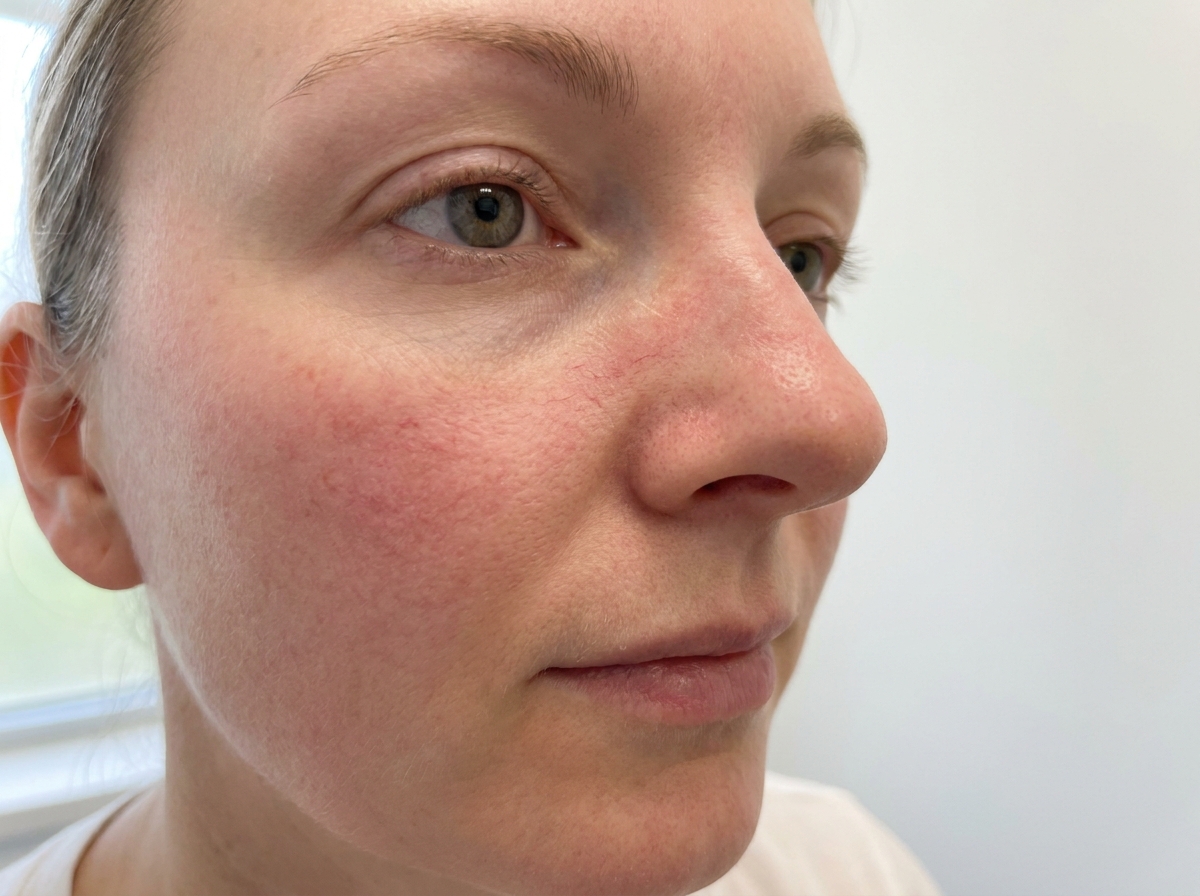
Persistent flushing across the nose and cheeks, tiny visible vessels, rosacea, and the red marks that linger after a breakout are all about blood, not pigment. The target here is hemoglobin, so laser for redness uses a completely different wavelength, usually in the green-yellow range that red absorbs strongly.
What is used
- Pulsed dye laser (PDL, 595nm). The gold standard for rosacea and diffuse redness. Vessels absorb the energy and shut down.
- KTP laser (532nm). Precise, good for individual visible vessels around the nose.
- IPL. Again useful when redness and sun damage overlap, which in NYC they usually do.
What to know before you book
Expect mild swelling and a "sunburned" look for a day or two. Individual vessels can clear in one session. Rosacea-type redness usually needs three to five, then maintenance once or twice a year, because rosacea is a chronic condition and not a spot you remove. If your skin is reactive, tell us. We often start with a calming Signature Medical Facial to settle the barrier before introducing any energy device.
Lasers for texture, pores and acne scars
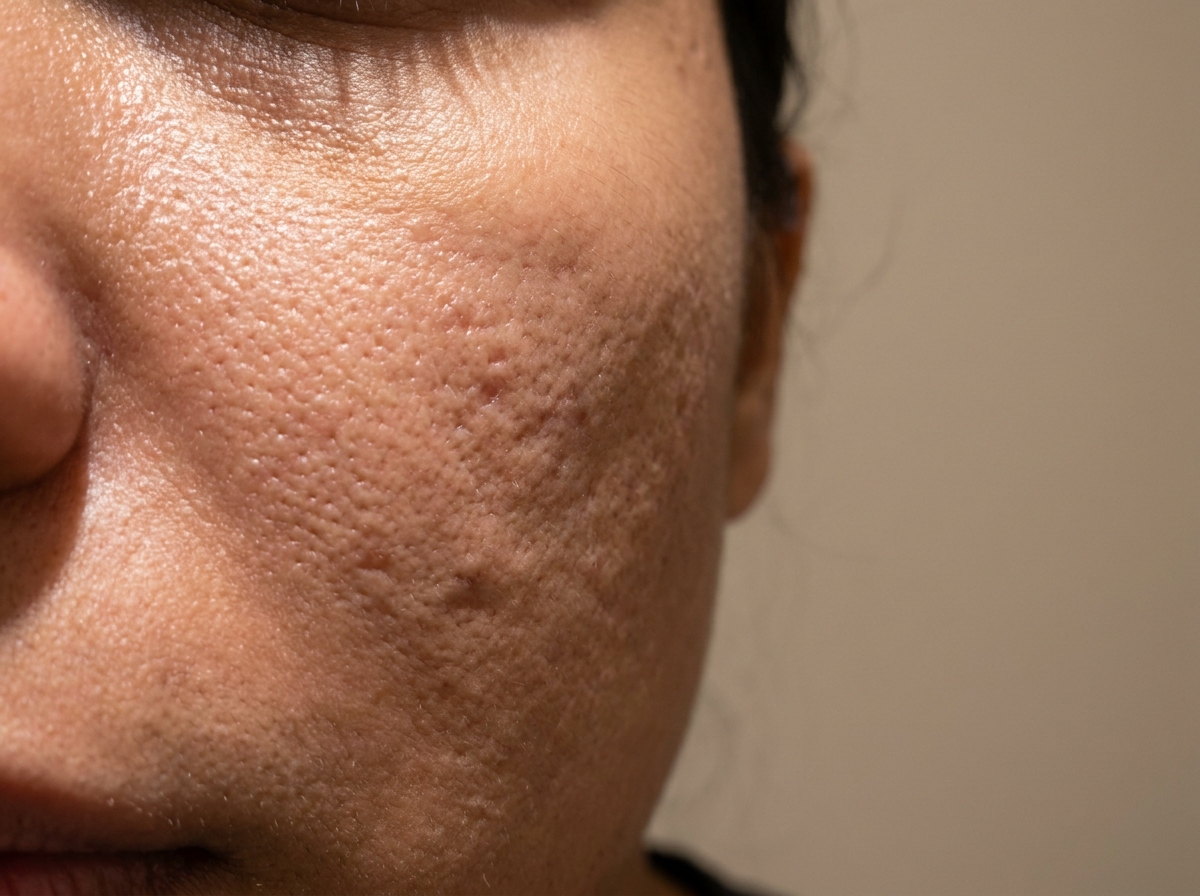
Rough texture, enlarged pores, pitted acne scars, fine lines and general crepiness are structural. There is nothing to "remove". The skin itself has to be rebuilt with new collagen. This is where resurfacing lasers come in, and where the honest answer about laser for acne scars is this: it works, it takes several sessions, and downtime is real.
What is used
- Fractional non-ablative lasers (e.g. 1550/1927nm). Heat columns in the dermis without removing the surface. Moderate improvement, two to four days of redness, four or more sessions.
- Fractional ablative lasers (CO2, erbium). Vaporize micro-columns of skin. Bigger results per session, a week or more of downtime, and more caution needed on darker skin.
- RF microneedling. Not a laser but does the same job by delivering radiofrequency heat through needles. Safer across all skin tones, and our most-booked texture treatment. Read our guide to what Morpheus8 RF microneedling is, or see the RF Microneedling with PRP service.
What to know before you book
Collagen rebuilds slowly. You will see the real result at three months, not three days. Ice-pick scars often need a combination approach, while rolling and boxcar scars respond best to fractional energy. For milder texture and pores, Glass Skin Microneedling gives a noticeable smoothing effect with far less downtime than a resurfacing laser, and is often the better starting point.
Which laser for which concern
| Your concern | Laser target | Typical device | Sessions | Downtime |
|---|---|---|---|---|
| Sun spots, freckles, post-acne marks | Melanin | Q-switched / picosecond, IPL | 1 to 3 | Spots darken and flake, 3 to 7 days |
| Melasma, uneven tone | Melanin (deeper) | Low-fluence laser toning | 4 to 6, then maintenance | Minimal |
| Rosacea, flushing, red marks | Hemoglobin | Pulsed dye laser, IPL | 3 to 5, then yearly | Redness / swelling, 1 to 2 days |
| Individual broken capillaries | Hemoglobin | KTP, pulsed dye | 1 to 2 | Minimal |
| Acne scars, pores, rough texture | Water (dermis) | Fractional laser, RF microneedling | 3 to 6 | 2 days to 1 week+ |
| Fine lines, crepiness | Water (dermis) | Fractional non-ablative, RF microneedling | 3 to 4 | 2 to 4 days |
Two things the table cannot show. First, most New Yorkers have overlapping concerns: a little redness, a little sun damage, some texture. That is why a plan is usually two devices in sequence rather than one. Second, skin tone changes everything. Deeper skin has more melanin everywhere, so lasers that hunt melanin need to be chosen and set with real care. A clinic that treats every skin tone with the same device and settings is a clinic to walk out of.
Not sure which laser your skin needs?
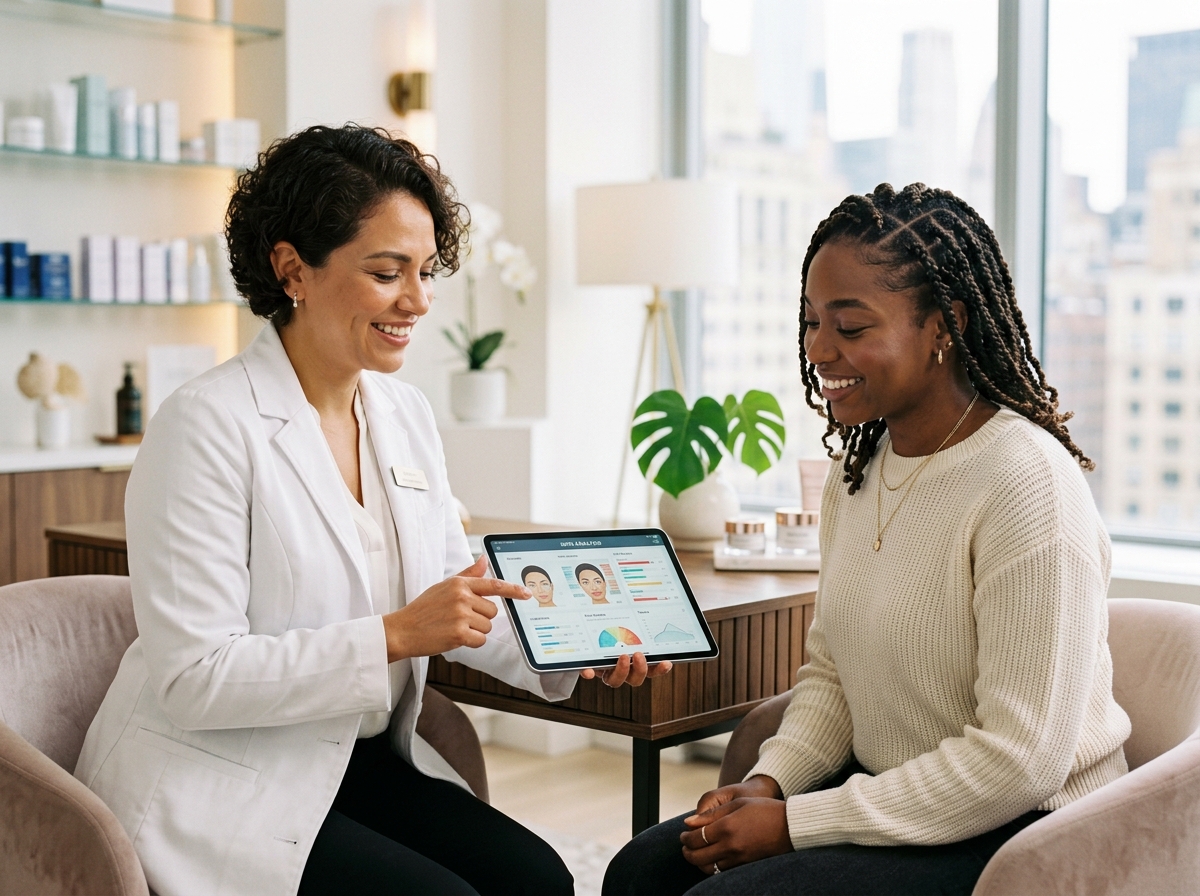
Start with a skin analysis. We look at pigment depth, vascular pattern and texture under magnification, then tell you plainly which device fits, and whether you need a laser at all.
Book a Skin Health ConsultationSkin Lab Clinic · 305 E 55th St, Midtown East, New York · Contact us
2 Responses