PRP for Hair Loss: Who It Helps and How Many Sessions It Takes
Noticing more hair in the shower drain, a part that looks wider in photos, or a crown that catches the light more than it used to is unsettling. It is also the point where most people start reading about PRP for hair loss, and find either glowing promises or flat dismissals.
The truth sits in between. Scalp PRP can help, but only for the right kind of thinning, only as a course, and only if you are patient enough to judge it at six months rather than six weeks. This guide explains who it suits, who it does not, what a session involves, and how many sessions it really takes. It is written from Skin Lab Clinic in Midtown East, where we would rather tell you PRP is the wrong choice than sell you three sessions that cannot work.
How PRP works on hair
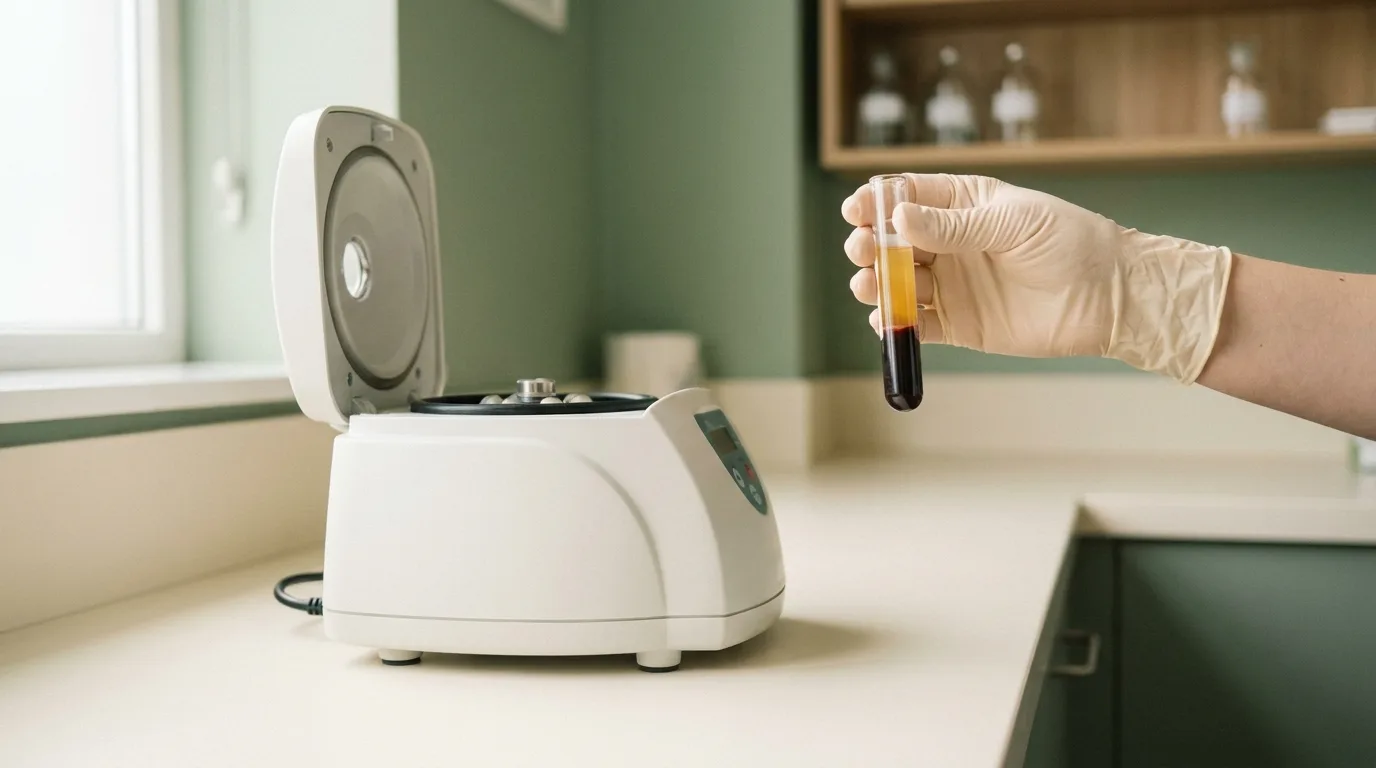
PRP stands for platelet-rich plasma. A small sample of your own blood is spun in a centrifuge to separate out the platelets, which carry growth factors involved in the body's repair processes. That concentrate is then injected into the scalp where hair is thinning.
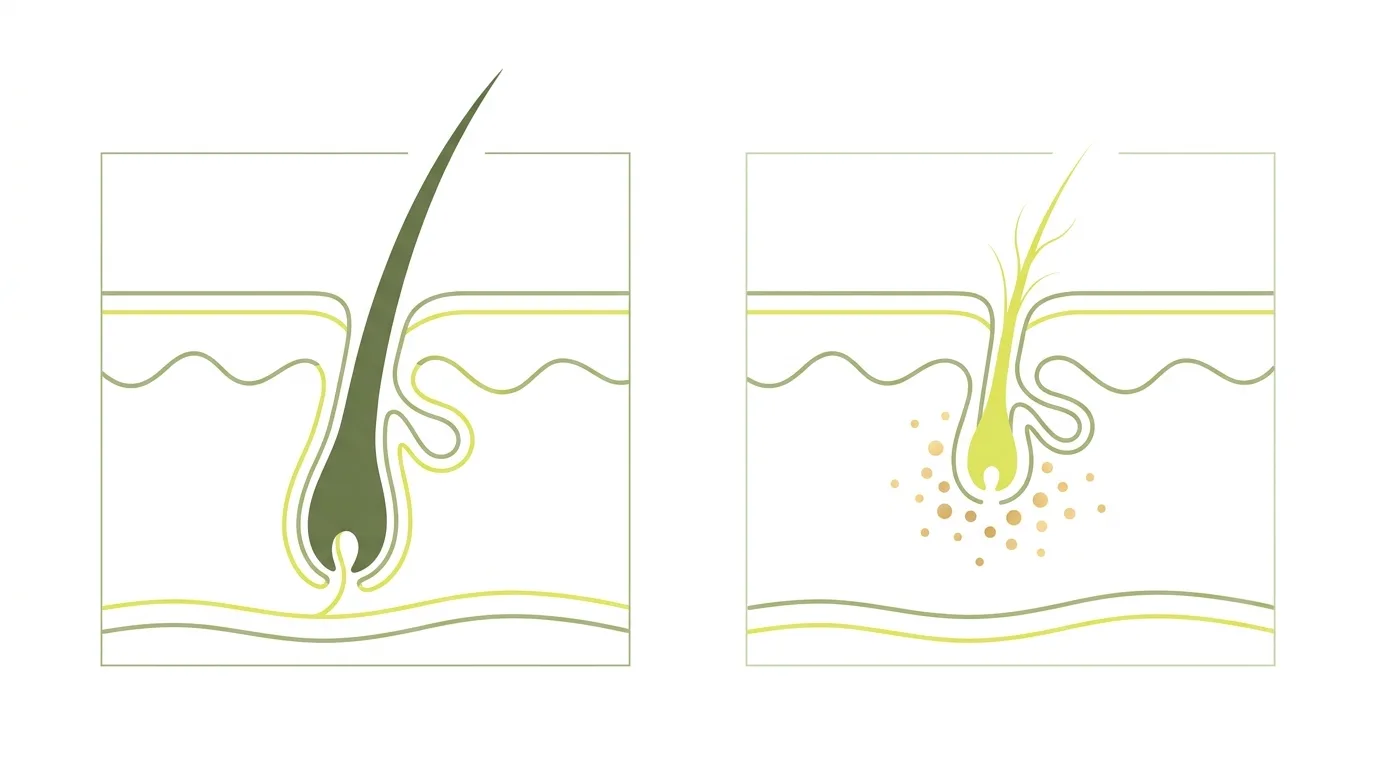
The key word is miniaturisation. In the most common types of thinning, follicles do not disappear overnight. They shrink gradually, producing hairs that are finer, shorter and lighter with each growth cycle, until eventually they stop. Scalp PRP is aimed at follicles in that shrinking stage. It supports the ones that are still there. It cannot bring back a follicle that has been dormant for years.
That single fact decides whether PRP is worth your money, which is why the next section matters more than any other.
Who scalp PRP helps, and who it does not
The best results come from thinning that is still in progress: a part that has widened, a crown that shows more scalp, hair that feels finer than it used to. The hair is still there, it is just losing strength.
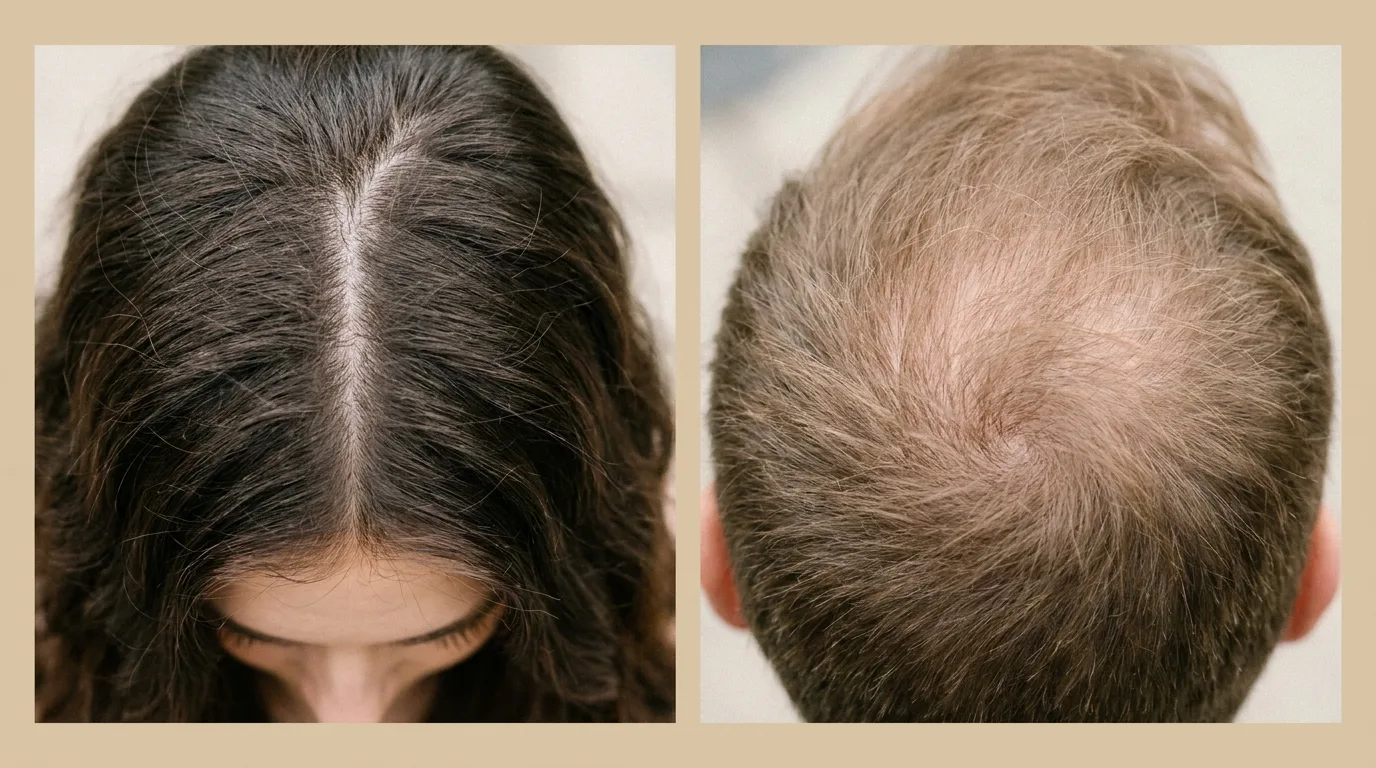
- Early to moderate thinning, not established bald areas
- A widening part, or thinning at the crown and temples
- Hair that has become finer and shorter but is still growing
- Post-partum or stress-related shedding that has not fully recovered
- You want a non-surgical option before considering a transplant
- You can commit to three sessions, then maintenance
- Areas that have been completely bald for several years
- Hair loss from an untreated medical or thyroid condition
- Certain blood or clotting disorders, or blood-thinning medication
- You want a guaranteed result. Nobody honest can offer one
- You are looking for a single visit rather than a course
Women and men can both be good candidates. In women, thinning often shows as a widening part or general loss of volume across the top. In men, it usually starts at the temples or crown. Either way, the earlier you start, the more follicles there are to work with.
What happens in a PRP hair restoration session
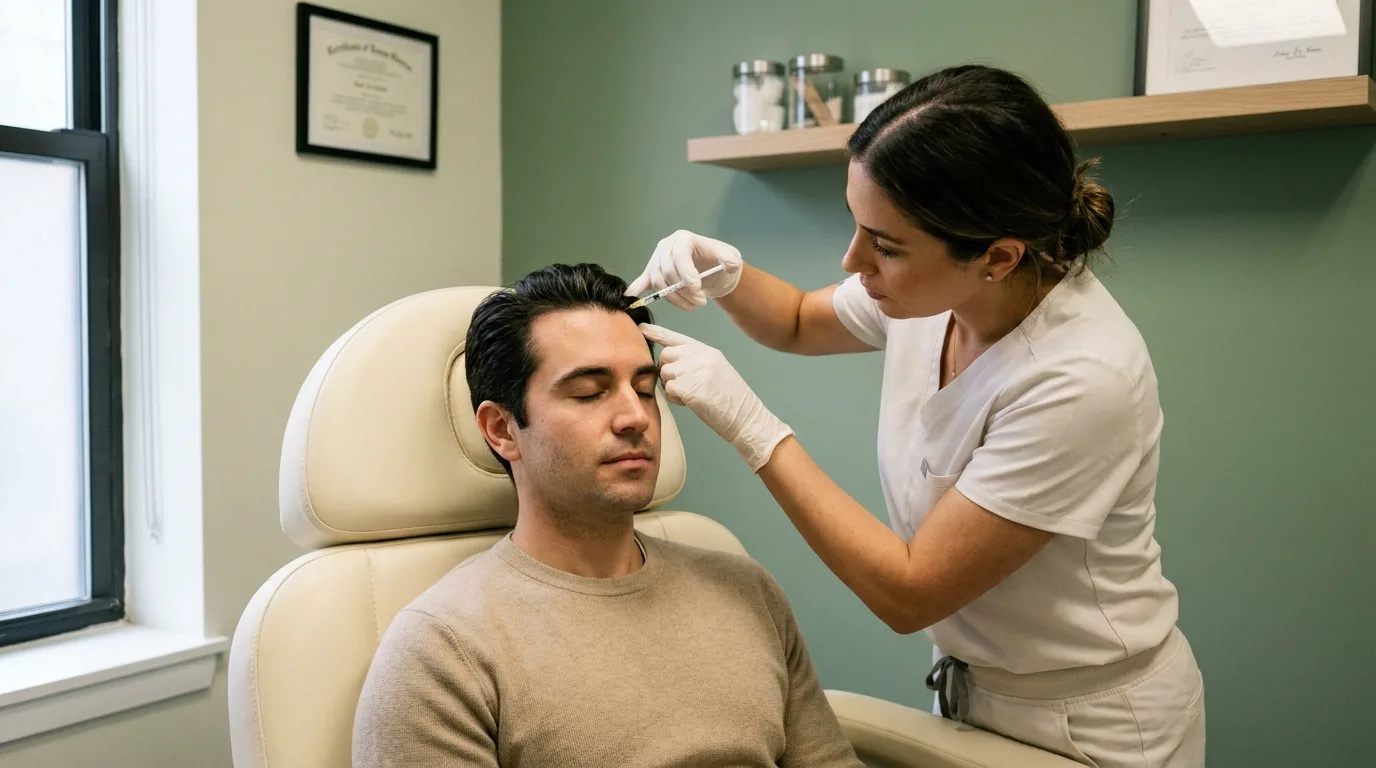
A PRP hair restoration appointment at Skin Lab Clinic takes about 60 minutes and is performed by a licensed provider of Michael Meighen, MD, NY, PLLC. It is non-surgical: no incisions, no grafts, no recovery time beyond a tender scalp for a day.
- Scalp assessment. We examine where the thinning is, ask how long it has been happening and what else has changed, and take photographs so progress is measured, not remembered.
- Blood draw and centrifuge. A small sample is taken, just like a routine blood test, then spun in the clinic until the golden, platelet-rich layer separates at the top. Nothing synthetic is added. You wait in the room while it processes.
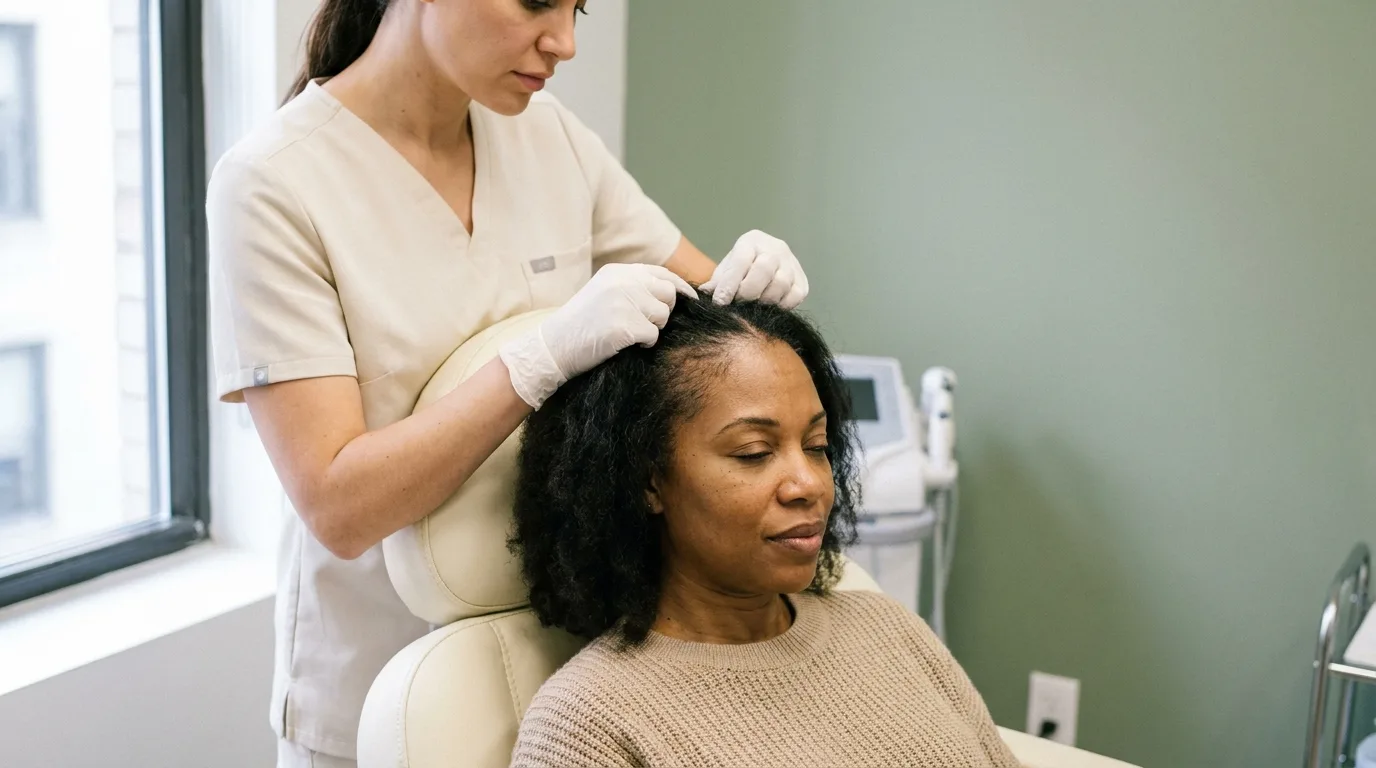
- Preparing the scalp. The hair is sectioned into neat parts across the treatment area and numbing is applied.
- Injections. The plasma is injected across the thinning areas in a grid pattern. Most people describe it as brief pressure and stinging rather than pain.
- Aftercare and next date. You leave with aftercare instructions and your next session booked, usually four to six weeks out.
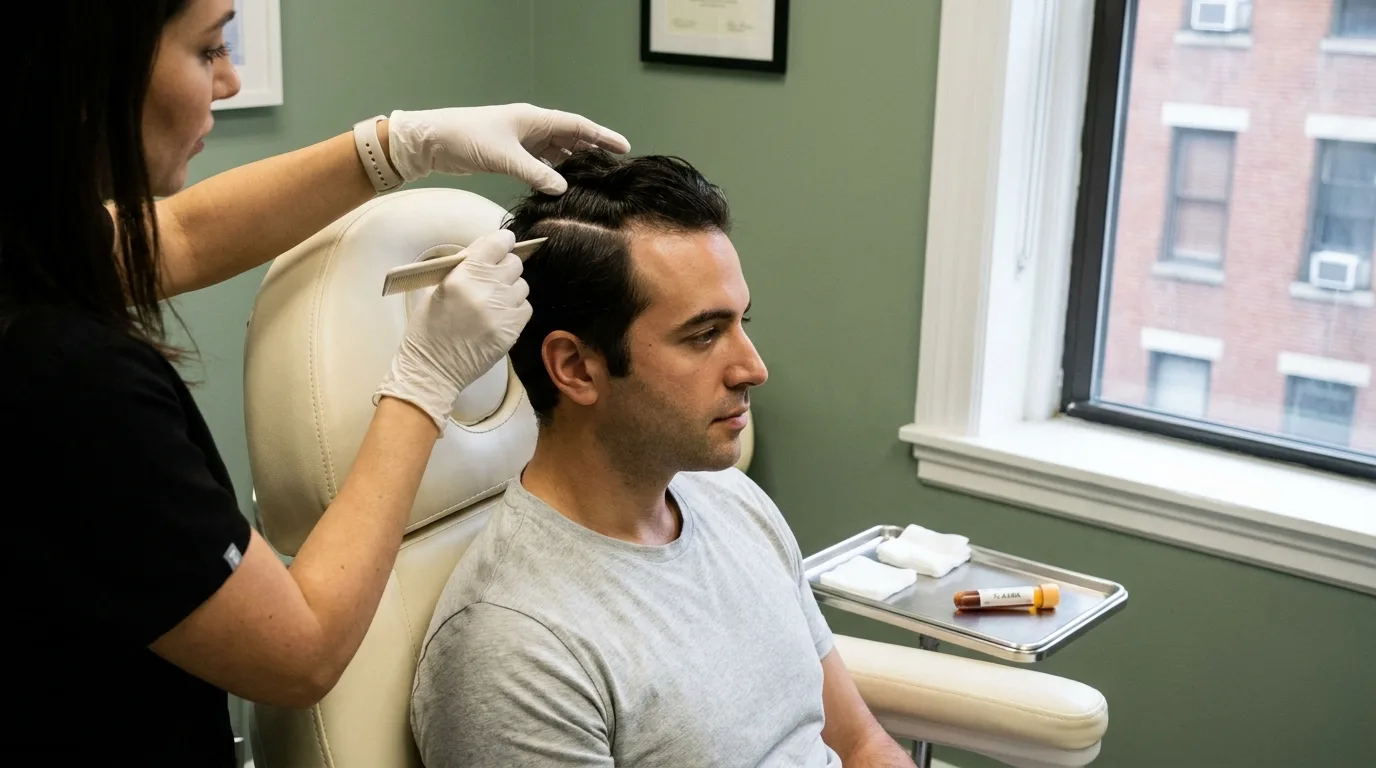
Sectioning matters more than it looks. Parting the hair in neat lines lets every thinning area be reached evenly, so no patch is treated twice and none is missed. The same areas are mapped at each visit, which is what makes the comparison photos meaningful later.
How many PRP sessions for hair loss?
One session is not how this treatment works. Hair grows in cycles, and at any moment different follicles are in different stages: growing, resting or shedding. A course reaches follicles at different points in that cycle over several months.
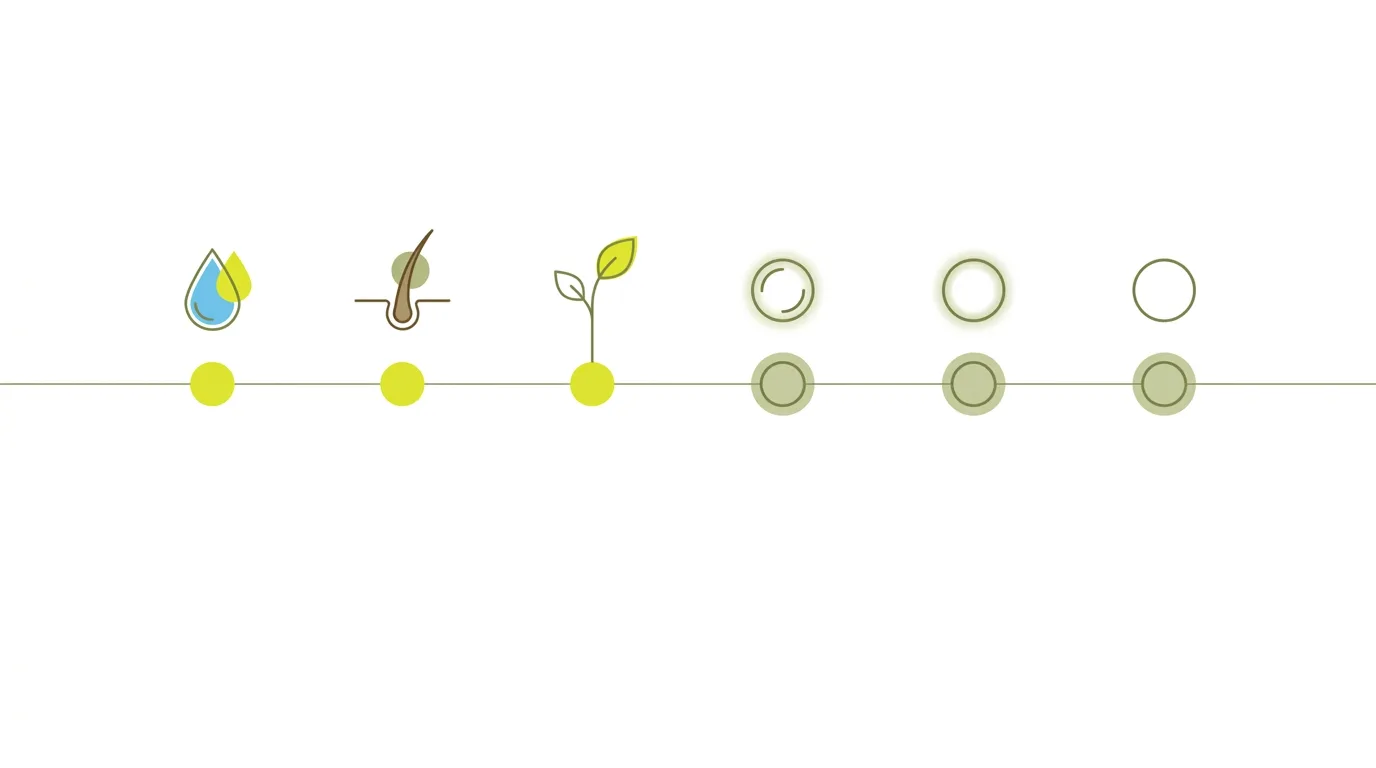
| Stage | When | What happens |
|---|---|---|
| Session one | Week 0 | Baseline photographs and full scalp mapping, so later sessions treat the same areas |
| Session two | 4 to 6 weeks later | Many people notice less shedding by now, though visible growth is still early |
| Session three | 4 to 6 weeks after that | Comparison photographs taken and reviewed together |
| Review | Around 6 months | Results judged against your baseline photos, not memory |
| Maintenance | Spacing set from the photos | Occasional sessions to hold the result |
At Skin Lab Clinic, a single session is $799 and the course of three is $1,999, which saves $398. Both are listed on our Scalp PRP Hair Restoration page.
The results timeline, honestly
- Month one: nothing visible. Hair does not work that quickly, and this is normal.
- Months two to three: reduced shedding is usually the first change people notice.
- From around month three: new growth, where it happens, starts to show.
- Month six: the real review point, compared against your baseline photographs.
Results vary a lot from person to person, depending on the cause of the hair loss, how long it has been happening and your general health. Anyone who guarantees regrowth is not being straight with you. What we can promise is that progress is photographed at every visit, so at six months you are looking at evidence, not a guess.
Aftercare after scalp PRP
Your scalp may feel tender or slightly swollen for a day. You will get written instructions at your appointment, and those always come first, but the usual guidance is simple and gentle.
- Leave your hair alone for the rest of the day. No washing, styling products or tight hats until your practitioner says so.
- Skip heat and sweat for a day or two. That means no hot showers on the scalp, saunas or intense workouts.
- Hold off on colouring or chemical treatments for a few days after each session.
- Ask before taking anti-inflammatory painkillers. Some can interfere with the platelets, so check what is safe for you.
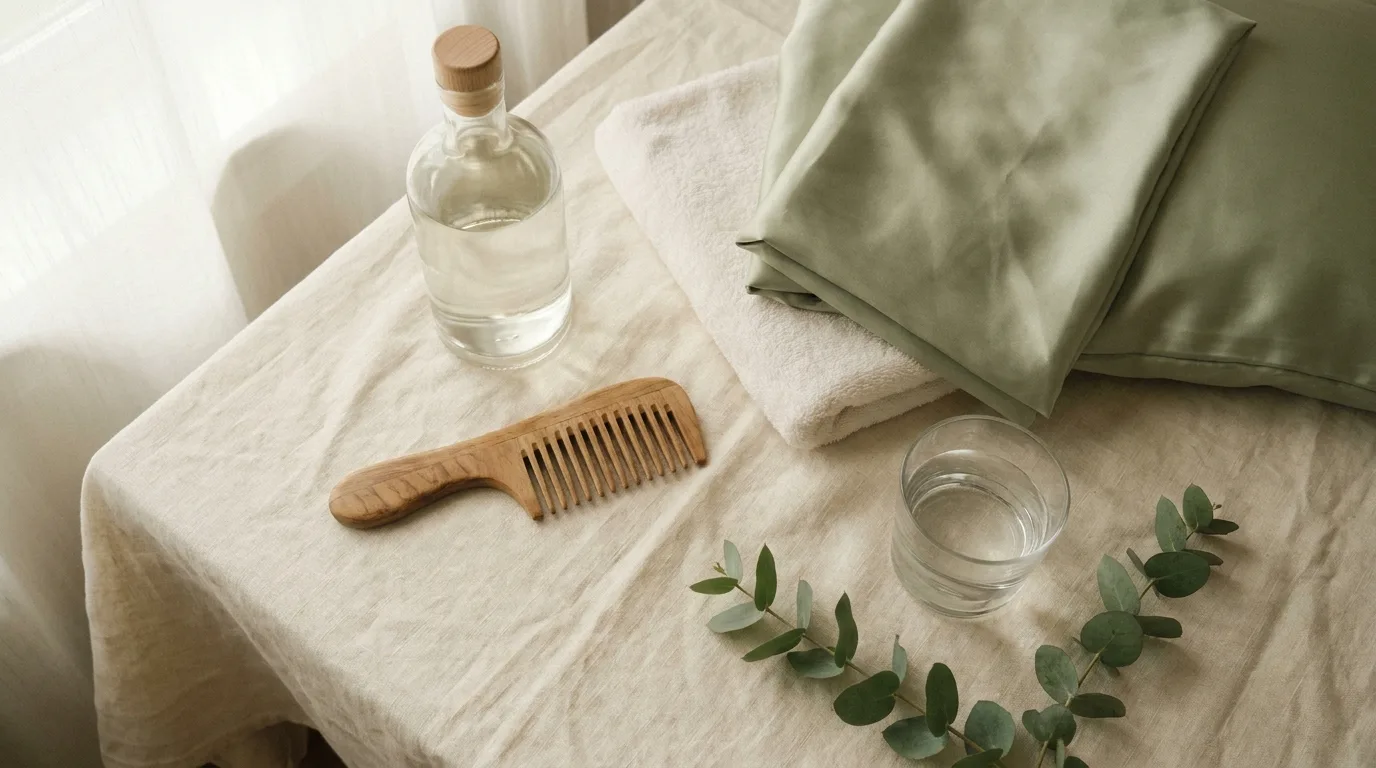
- Stay hydrated and be gentle. A wide-tooth comb and a soft pillowcase make the first night more comfortable.
Wondering if PRP is right for your hair?
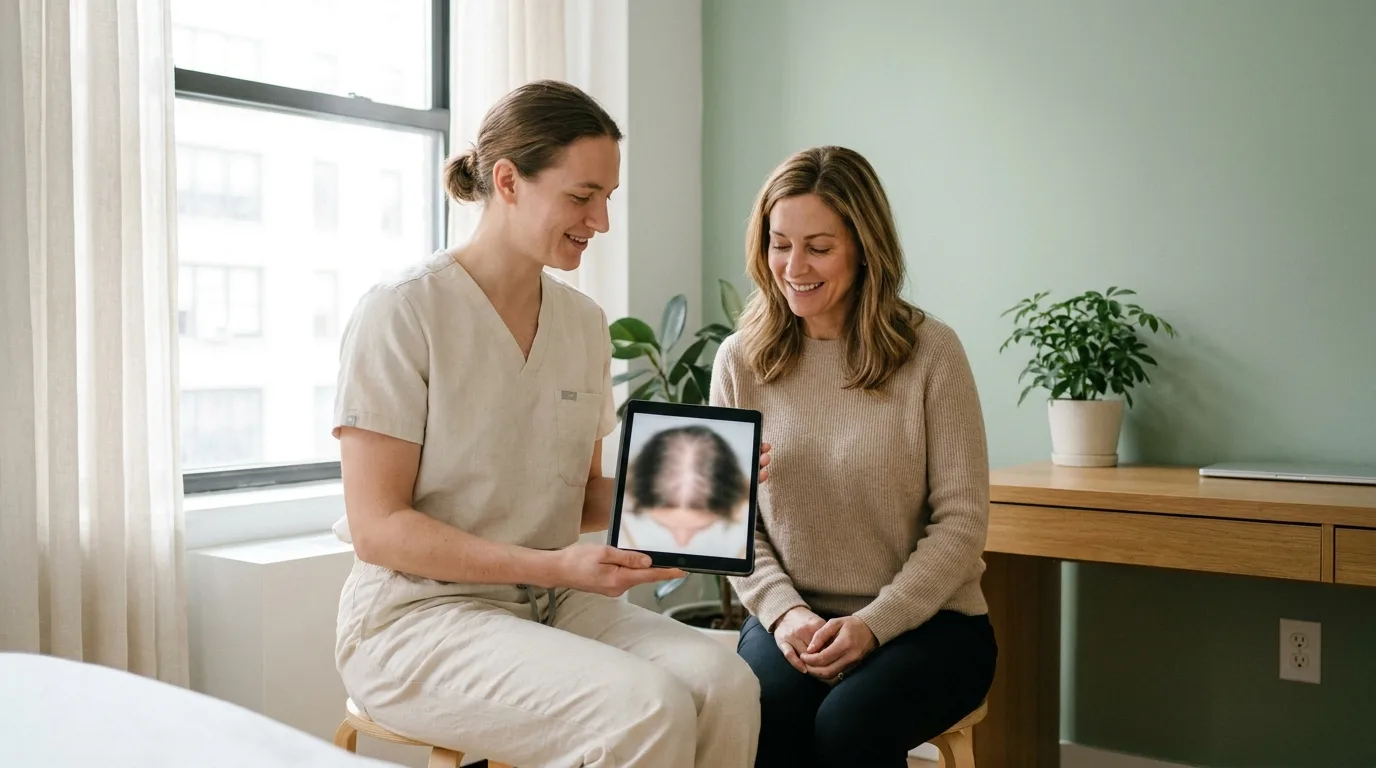
Every session starts with a scalp assessment and baseline photographs. If your thinning is a good fit, we will plan the course with you. If it is not, or if a doctor should look at it first, we will tell you plainly before you spend anything. Course of three, $1,999.
Book Scalp PRP Hair RestorationSkin Lab Clinic · 305 E 55th St, Midtown East, New York · Open 7 days, 9AM to 8PM · Contact us