How to Get Glass Skin: What Works at Home and What Needs a Clinic

Glass skin is everywhere, from Korean beauty routines to filtered photos, and it has picked up a reputation as something only flawless skin can achieve. It is not. Glass skin is not about having no pores or perfectly pale skin. It is about skin that is even, hydrated and smooth enough to reflect light cleanly, and that is something most skin can work toward.
This guide explains how to get glass skin in two parts: the at-home routine that builds the foundation, and the clinic treatments that reach what home care cannot. It is written from the treatment room at Skin Lab Clinic in Midtown East, where glass skin is the result clients ask us about most.
What glass skin actually is
The term comes from Korean skincare and describes skin so even, hydrated and smooth that it looks almost reflective, like a pane of glass. Look closely at real Korean glass skin and you will still see pores, fine texture and natural variation in tone. What is different is how the surface handles light.
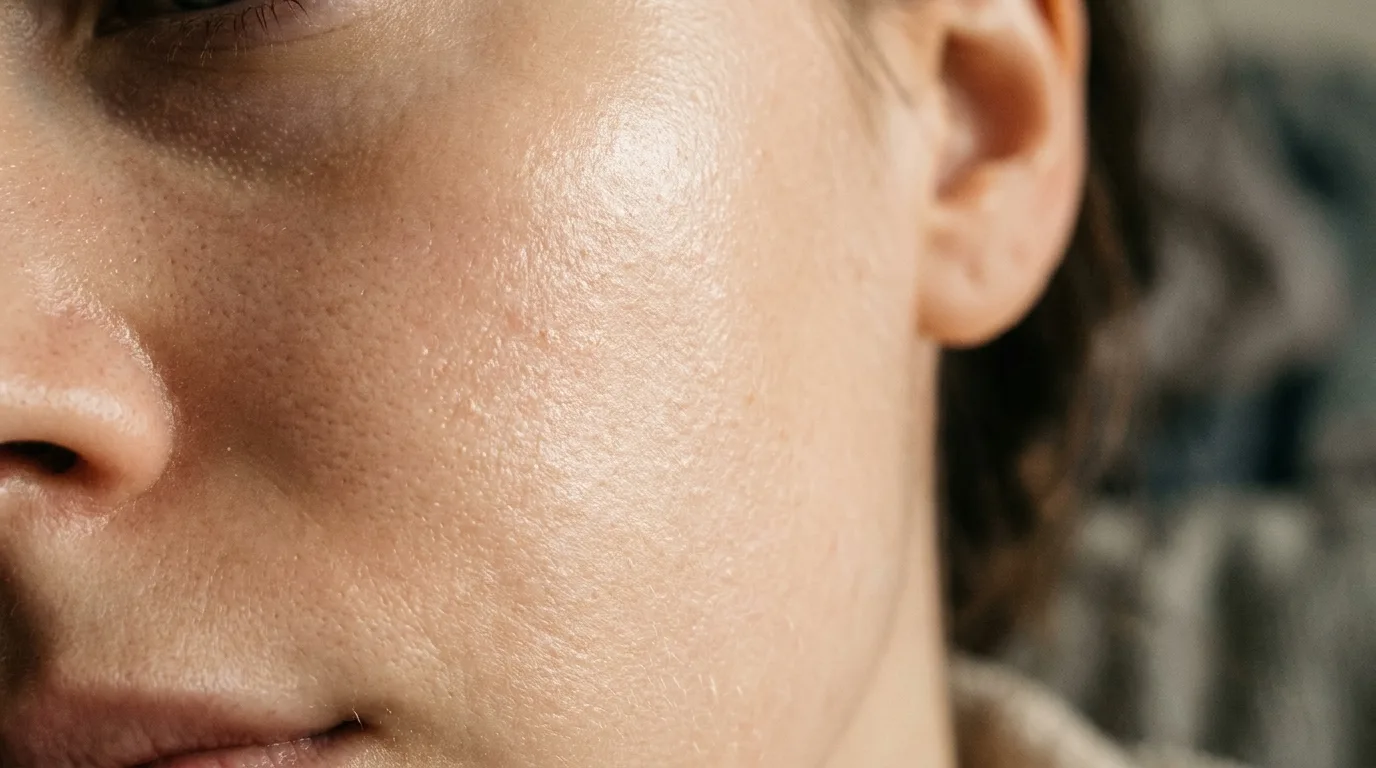
Glass skin is a finish, not a filter. It is not about being pale, poreless or covered in highlighter. It is what happens when the barrier is working properly, dead surface cells are cleared away, and the skin holds enough moisture that it looks plump and calm from the inside.
Why skin looks dull instead of glassy
Light hitting a smooth, hydrated surface bounces back evenly. Light hitting a rough or dry surface scatters in every direction, and the skin looks flat, tired or grey, especially under office lighting.
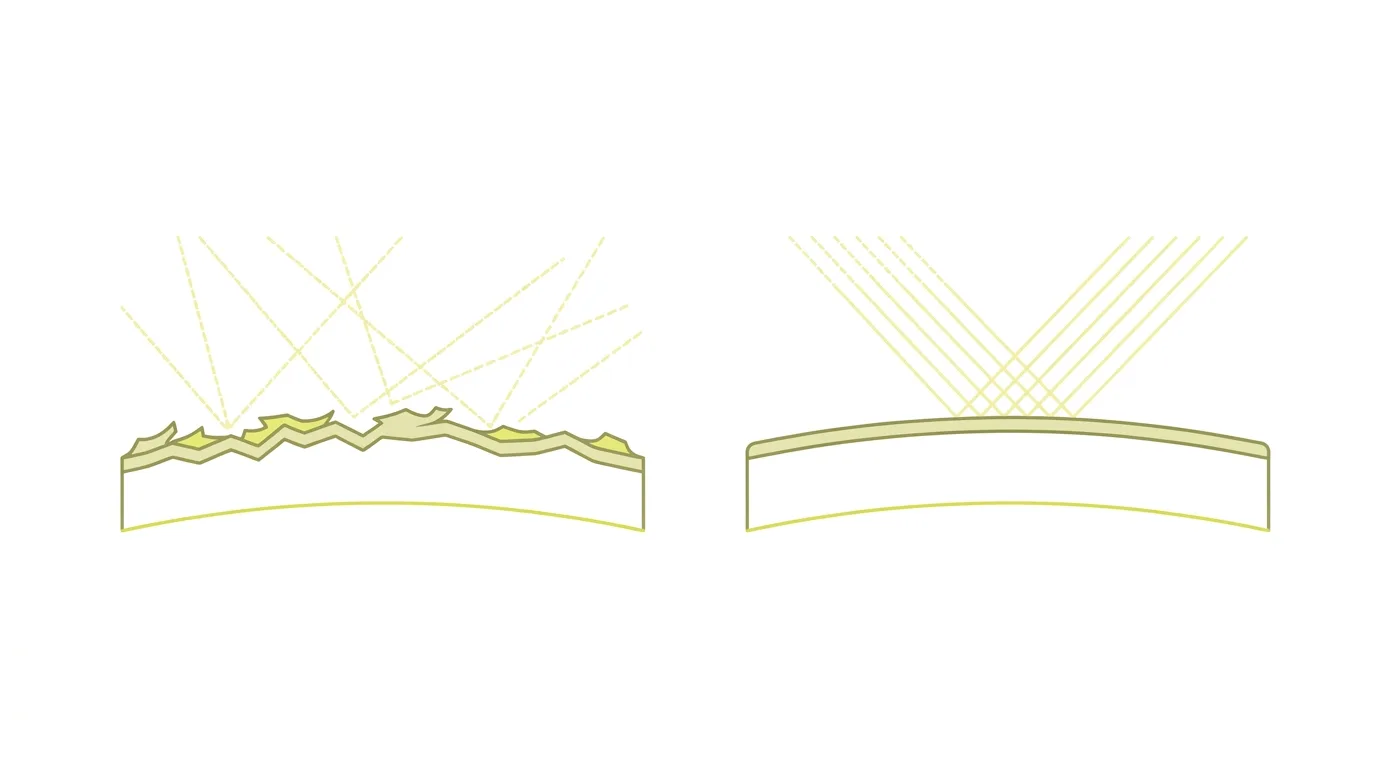
Four things usually stand between your skin and that reflective finish:
- Dehydration. Skin that is low on water looks dull and shows fine lines more. This is different from dry skin: even oily skin can be dehydrated.
- Dead cell build-up. Old cells that have not shed properly sit on the surface like a dusty film. Cell turnover slows with age, so this builds faster after thirty.
- Uneven texture. Rough patches, congestion, enlarged pores and old acne marks all break up the surface that light needs to reflect off.
- Uneven tone. Sun spots and post-breakout marks interrupt the even finish, even when the texture is smooth.
In New York there is a fifth one: dry radiator heat from October to March, which pulls moisture out of skin all winter. That is why so many people notice their skin looking dullest in the colder months.
The at-home glass skin routine
A good glass skin routine is not about twelve steps. It is about doing a few things gently and every day. Here is the order we recommend, adjusted for what actually changes skin.
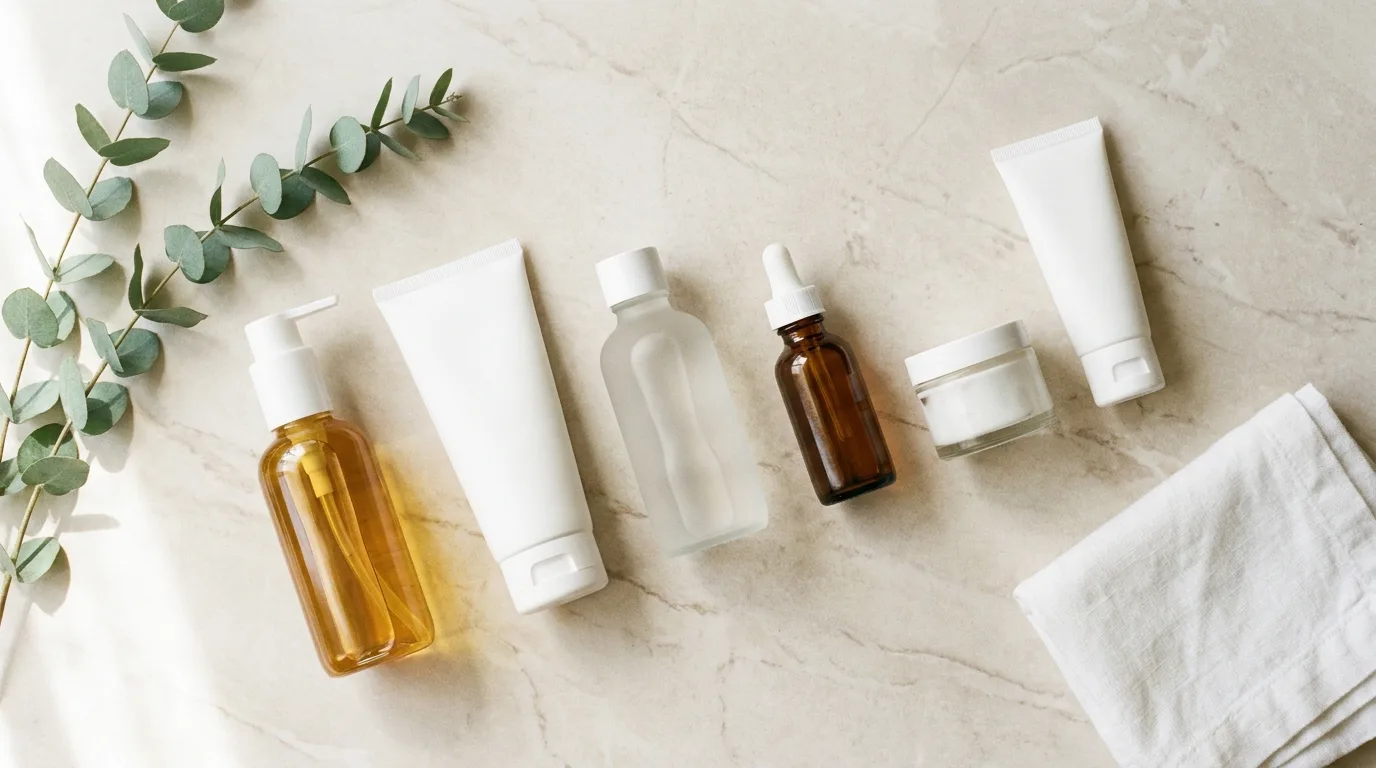
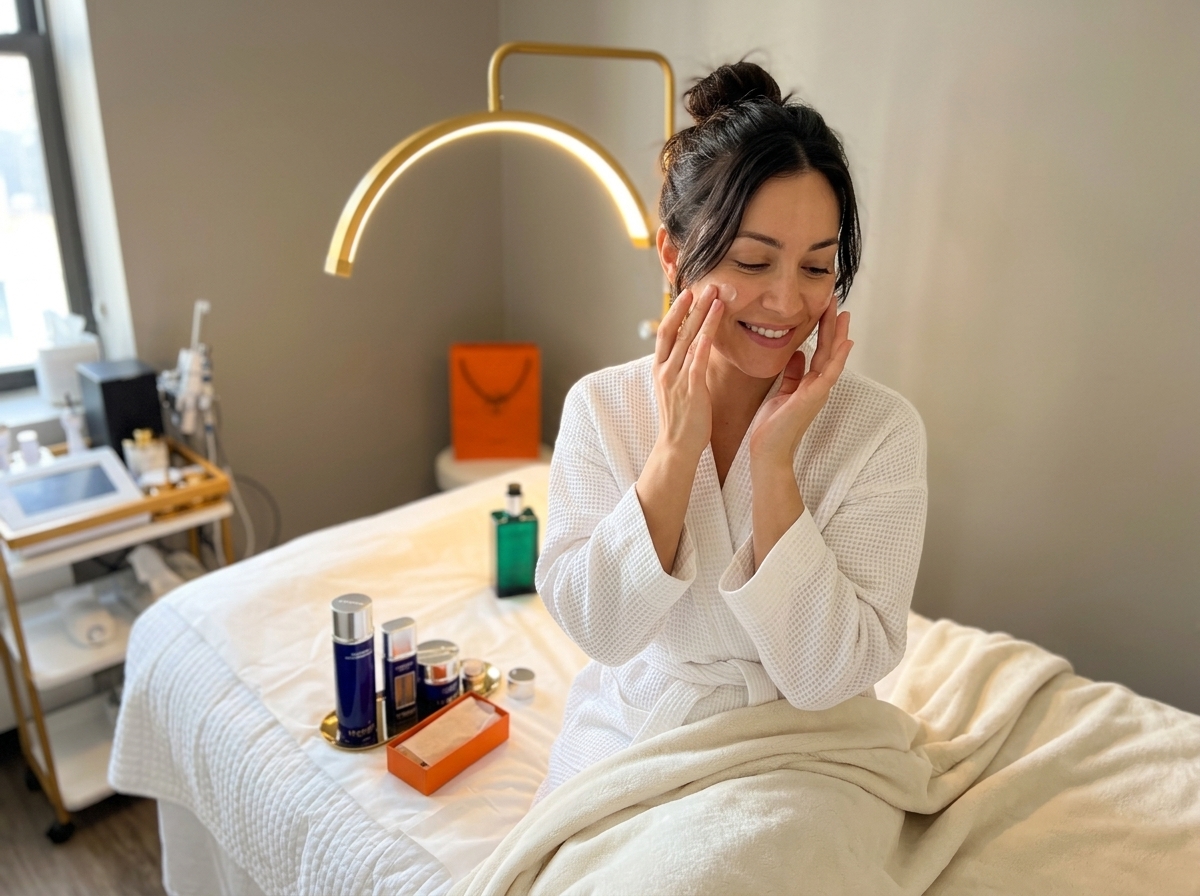
- Double cleanse at night. An oil or balm cleanser first to dissolve sunscreen and makeup, then a gentle, low-foam cleanser. In the morning, a splash of water or the gentle cleanser alone is enough.
- Exfoliate gently, two to three times a week. A mild acid such as lactic acid or PHA clears dead cells without scrubbing. More is not better: over-exfoliating damages the barrier and makes skin look shiny and irritated, not glassy.
- Layer hydration. Press a hydrating toner or essence into damp skin, and repeat a second time on drier days. Thin layers of humectants like hyaluronic acid and glycerin pull water into the skin better than one thick layer.
- Add one targeted serum. Niacinamide for oil and uneven tone, or vitamin C in the morning for brightness. One well-chosen serum beats four competing ones.
- Seal it in. A moisturizer with ceramides holds everything in place. Dry skin can add a few drops of facial oil at night.
- SPF every single morning. Sun damage is the fastest way to lose an even tone. Our dermatologist-approved morning routine covers the order in detail.
Give this routine six to eight weeks. That is about two full skin cycles, enough time to see whether your skin is holding hydration better and looking more even.
In-clinic glass skin treatments
Professional treatments do the parts of glass skin that home care cannot: they clear the compacted surface, push hydration deeper, and work on texture and tone with tools you cannot use at home.
The Glass Skin Medical Facial
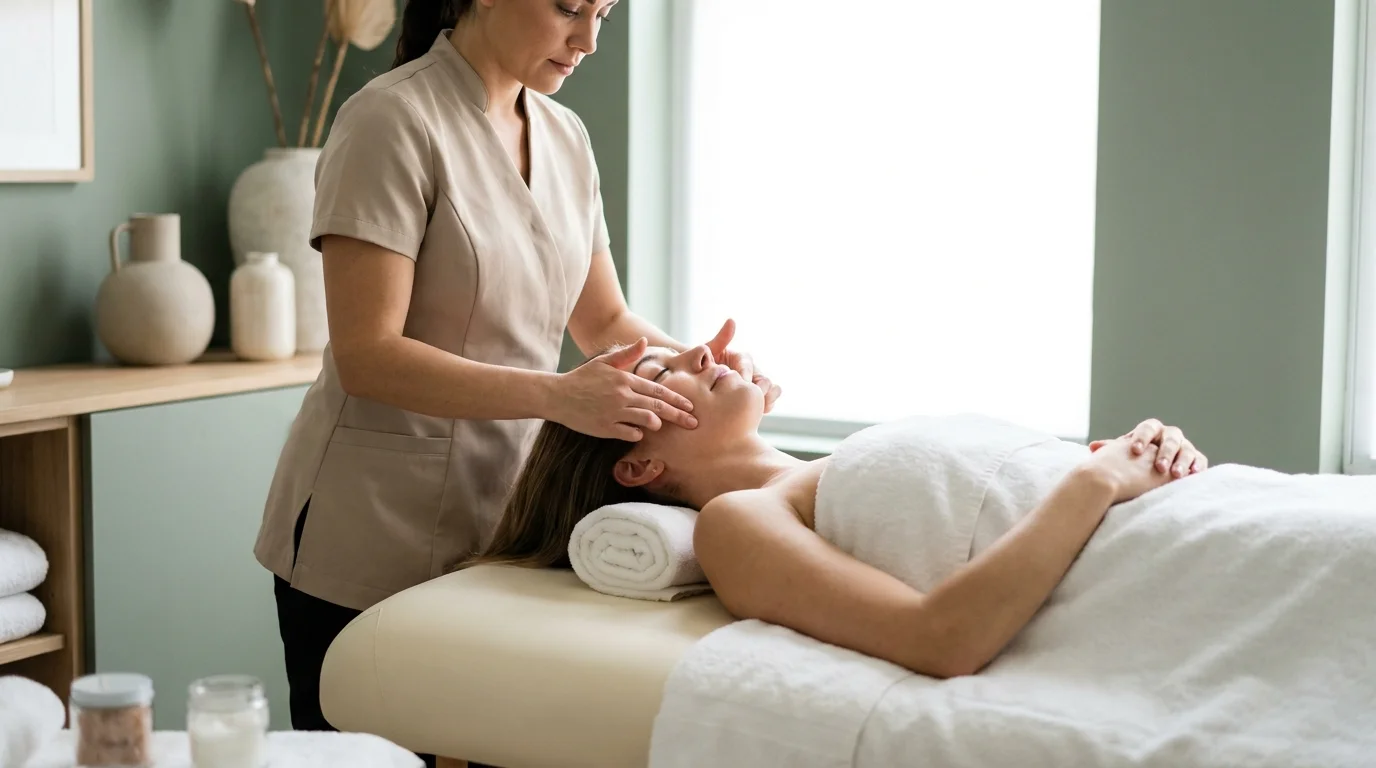
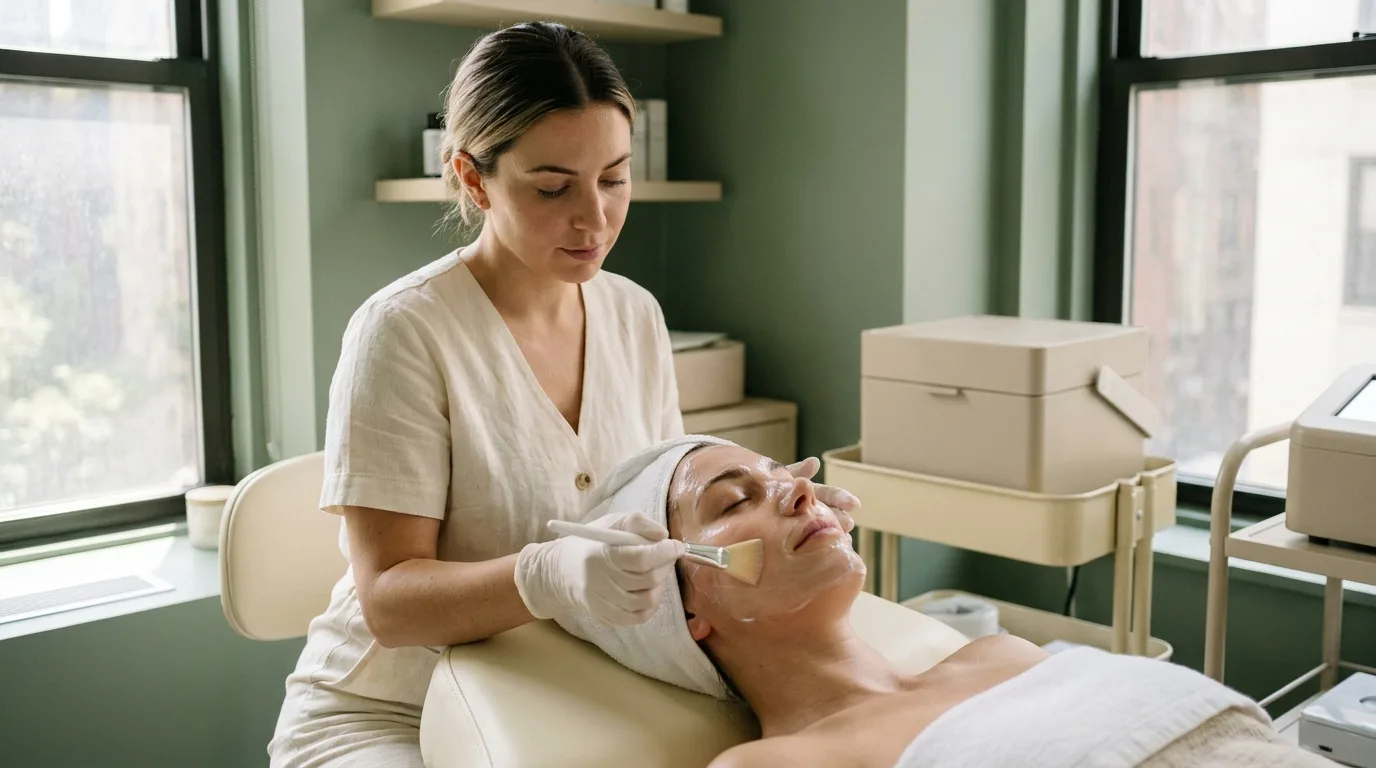
Our Glass Skin Medical Facial is the clinical route to the glass skin finish, and the treatment most of our clients come back for. In 60 minutes it covers:
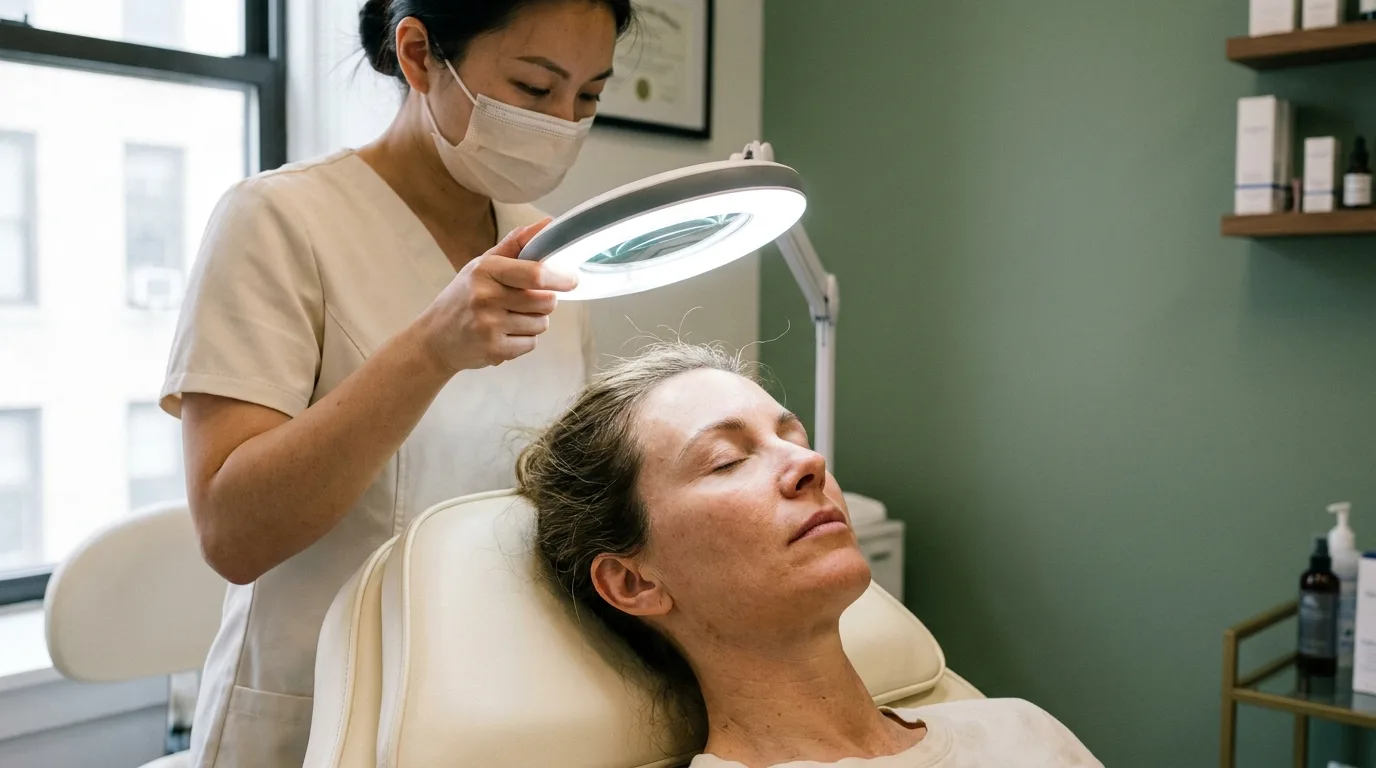
- Medical skin analysis under examination light, before any product is chosen
- Double cleanse, professional exfoliation and hydrodermabrasion to lift the build-up that makes skin look flat
- La Prairie infusion, worked in with massage through the jawline, cheekbones and neck
- A medical-grade collagen mask with LED recovery therapy, the part that supports firmness rather than just glow
- Brightening and pigment correction, with a medical peel added when your skin can take it
There is no downtime and no peeling phase, so many clients book it before a dinner, shoot or event. It is currently $299 (normally $499). One session gives a same-day glow, but the lasting finish usually comes from a course: five sessions for $1,196, spaced three to four weeks apart, then maintenance every six to eight weeks.
Glass Skin Microneedling: when texture is the problem
If the main thing standing between you and glass skin is uneven texture, enlarged pores or old acne scarring, a facial alone will not reach it. Glass Skin Microneedling combines microneedling with radiofrequency energy to rebuild collagen below the surface. It is $299 per session, with one to two days of mild redness. Many clients alternate it with the Glass Skin Facial: microneedling for the structure, the facial for the finish. Our large pores guide explains when microneedling is worth it.
Home vs clinic: what each one does
| Your goal | At home | In clinic | Timeframe |
|---|---|---|---|
| More hydrated, plumper skin | Layered toner, hyaluronic acid, ceramide moisturizer | Glass Skin Medical Facial infusion and collagen mask | Same day in clinic, 4 to 6 weeks at home |
| Brighter, less dull skin | Gentle acid 2 to 3 times a week, vitamin C | Professional exfoliation and hydrodermabrasion | Same day in clinic, 6 to 8 weeks at home |
| Even tone | Daily SPF, niacinamide | Brightening and pigment correction, medical peel | Usually a course of sessions |
| Smoother texture and smaller-looking pores | Limited, mostly prevention | Glass Skin Microneedling | Builds over weeks after each session |
| The full glass skin finish | The whole routine, every day | Glass Skin Facial course of five | Most clients see it by session three |
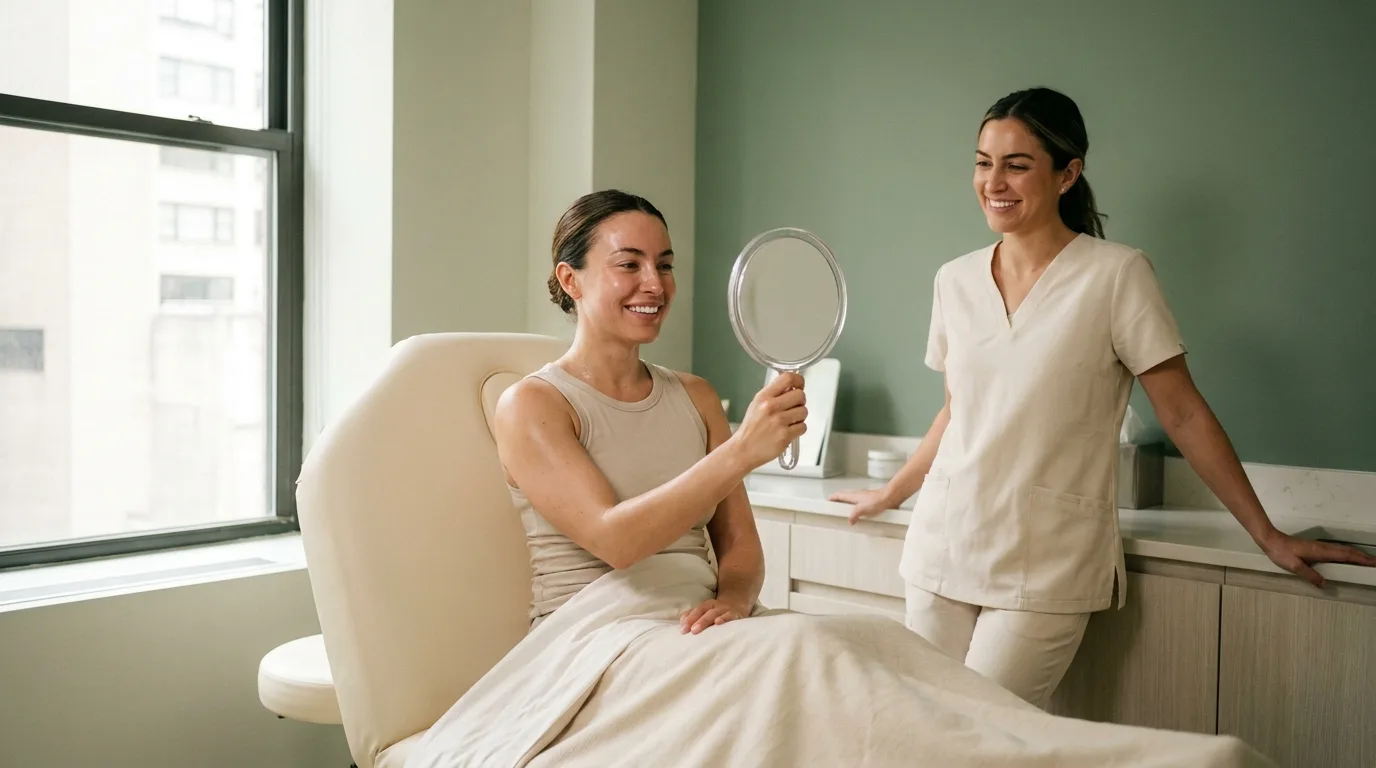
The honest takeaway: home care and clinic treatment are not competitors. The routine keeps your skin healthy every day, and treatment does the deeper work that a routine cannot. The best glass skin results come from doing both.
Ready to see what glass skin looks like on you?
Start with the Glass Skin Medical Facial, our signature treatment. It begins with a skin analysis, ends with a same-day glow, and comes with a clear plan for whether a course is worth it for your skin. 60 minutes, no downtime, currently $299 instead of $499.
Book the Glass Skin Medical FacialSkin Lab Clinic · 305 E 55th St, Midtown East, New York · Open 7 days, 9AM to 8PM · Contact us